About the Summit
East Africa’s digital economy moves at a pace that demands your full attention. 459 million mobile money accounts. Transactions exceeding half of Kenya’s entire GDP flowing through digital rails every year. A fintech ecosystem the rest of the world is studying. And in the last quarter of 2025 alone, 4.56 billion cyber threat events were recorded on Kenyan infrastructure, a 441% surge in three months. The people responsible for keeping this economy secure, trusted, and growing are carrying some of the most consequential responsibilities on the continent. They just rarely get the chance to sit in the same room together. Not in a context built for honest conversation. Not with enough seniority around the table to actually move things.
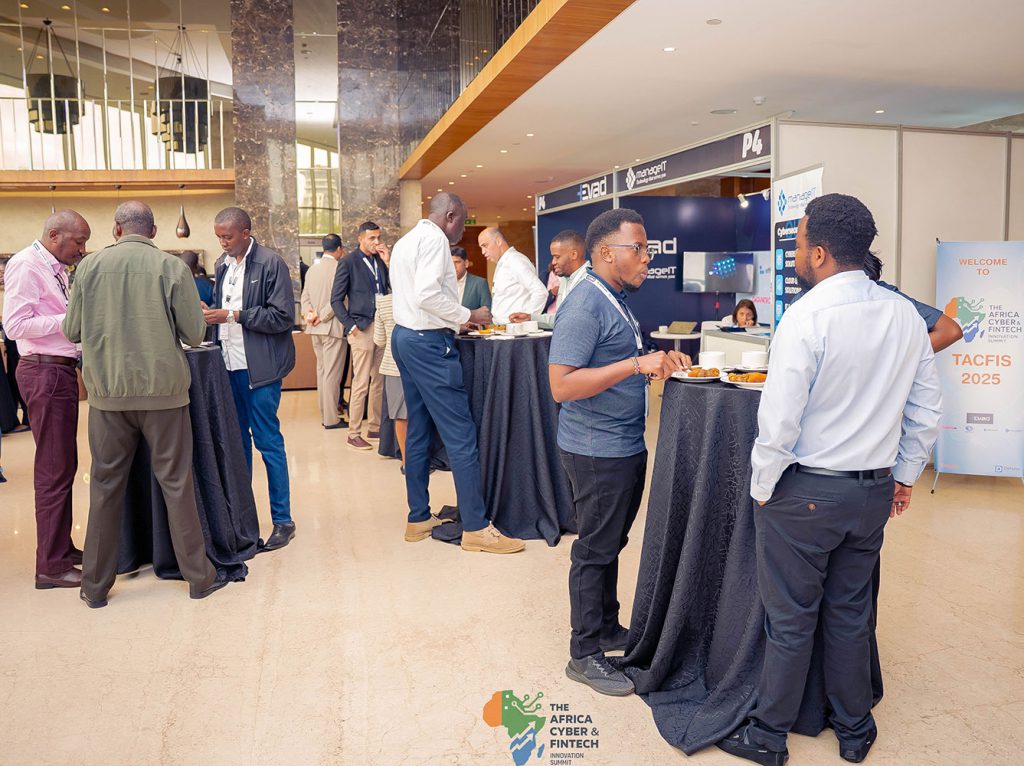
That room exists. It is called TACFIS.
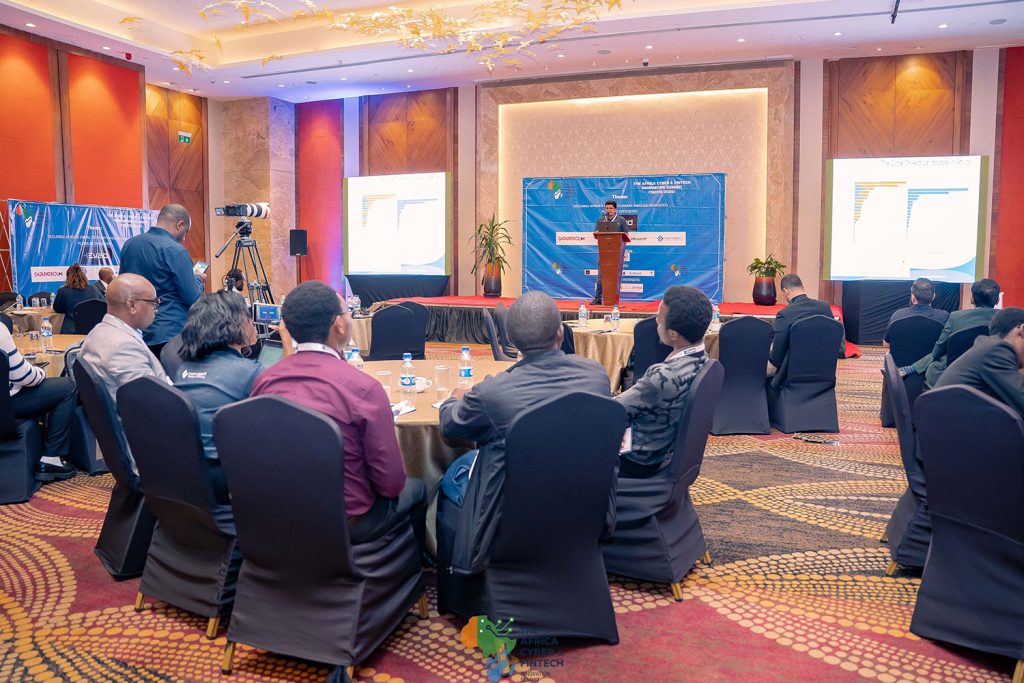
Now in its second edition, the Africa Cyber & Fintech Innovation Summit returns to Nairobi on 24–25 November 2026 at Emara Ole Sereni, in the heart of East Africa’s financial district, bringing together 200+ invited senior leaders for two days that are designed to change how you and your organization approach what comes next. You are in this room because you carry real authority. The person next to you carries the same. Every session is built around a problem your institution is dealing with right now. Every speaker is chosen for what they know, not who they know. And every conversation is structured to end with something you can act on, not a set of slides to file away.
For partners and sponsors, this is the room where East Africa’s most consequential digital economy decisions are shaped. 200 invited leaders. Regulators and the private sector in the same sessions. A post-Summit intelligence report reaching governments and development finance institutions across the region. If your organization’s future is connected to how East Africa’s digital economy grows and how securely it does so, this is where you need to be visible, present, and heard.
Attendance is by invitation only. The room is kept deliberately focused and deliberately small. Because the quality of what happens inside it depends entirely on who is in it.
TACFIC 2026 Event Themes
Explore our focus areas for this year's summit

The Threat Landscape — What We Are Actually Facing
Between October and December 2025, Kenya recorded 4.56 billion cyber threat events in a single quarter. AI is now being used to scale phishing campaigns, generate synthetic identities, and automate fraud at a speed that outpaces most existing defences. This theme opens the Summit with an honest, practitioner-led assessment of the threat as it actually stands — because you cannot defend against something you have not clearly seen.
Key sessions: AI as weapon and shield · Deepfakes and synthetic identity fraud · Cyber threat intelligence · Real-time fraud detection.

Fintech Under Pressure — Building While Defending
Every financial institution in East Africa is navigating the same tension: how to keep building better, faster, more inclusive products while protecting the systems already in use. Mobile banking fraud rose 87% in the most recent reporting period. The cost of getting this balance wrong is concrete and measurable. This theme examines the practical realities of operating at the intersection of innovation and risk.
Key sessions: Open finance and API security · AI-powered fraud detection · Behavioral biometrics · Risk management in the age of AI.

Regulation and Governance — The Frameworks Being Built Now
Kenya’s Virtual Asset Service Providers Act was signed in October 2025. The Financial Action Task Force (FATF) grey-list exit process is ongoing. AI governance frameworks are still being written. Data protection enforcement is maturing. This theme brings the people writing the rules into the same sessions as the people who have to live by them, giving delegates practical clarity on what is required of their organizations and what they can reasonably expect from regulators in return.
Key sessions: Regulatory perspectives on data protection · Quantum encryption and blockchain · Cyber insurance and resilience · AI governance

East Africa’s Digital Future — Leading, Not Just Keeping Up
Africa’s digital payments market is on a path to exceed USD 40 billion in 2026. The MEA cybersecurity and AI market is forecast to reach USD 76 billion by 2031. This theme closes the Summit by looking ahead—at digital identity at a regional scale, secure cross-border payment infrastructure, AI investment, and the homegrown talent needed to build security that genuinely fits East African conditions. The question is not whether this economy grows. It is who leads that growth and on what terms.
Key sessions: Secure cross-border transaction technologies · Digital identity risk · AI giants fireside chat
Key Takeaways
What you’ll gain from participating in TACFIS 2026
Intelligence That Changes What You Do Monday Morning
Most events leave you with a notebook full of ideas that never leave the notebook. TACFIS is built differently. Every session is anchored in a real problem East African institutions are managing right now—AI-driven fraud, open finance security gaps, regulatory change, and cross-border payment risk. You will leave with specific, tested thinking you can act on the moment you return to your office. Not a summary. A plan.
For delegates: practical readiness, not just awareness. For sponsors: your solutions reach senior buyers in a context built for decisions.
Access to the Room Where East Africa's Digital Economy Is Being Shaped
Two hundred senior leaders. One room. By invitation only. The people at TACFIS are not here to browse; they are the CISOs, central bank officials, fintech founders, and board members who carry the authority to change how their institutions operate. For delegates, that means peer-level conversation that is genuinely hard to access elsewhere. For sponsors and partners, it means your brand sits alongside the most consequential discussion in East Africa’s digital finance calendar.
Clarity on Where Regulation Is Going - Before It Arrives
Kenya’s VASP Act. FATF grey-list exit. AI governance frameworks. Data protection enforcement. The rules shaping East Africa’s digital economy are being rewritten in real time and the institutions that understand where they are going will be better placed than those waiting to read the gazette notice. TACFIS brings regulators and the regulated into the same sessions, the same roundtables, and the same conversations. You will leave knowing not just what the rules say today, but also what your organization needs to prepare for next.
For delegates: regulatory foresight, not just compliance. For sponsors: visibility with the policymakers and institutions setting the agenda.
A Network That Keeps Working After November 2026
The partnerships formed at TACFIS do not end when the lights go up. Working relationships built across two days of shared meals, structured networking, and roundtable discussions have a habit of becoming the ones that matter most — the phone call when an incident happens, the introduction that opens a market, the collaboration that turns a pilot into a programme. And through the post-Summit intelligence report, your thinking reaches governments, regulators, and development finance institutions across East Africa long after you have returned home.
For delegates: relationships that outlast the event. For sponsors: attribution in a policy-facing publication with regional reach.